What Kind of Sweet Is Musha-gaeshi?
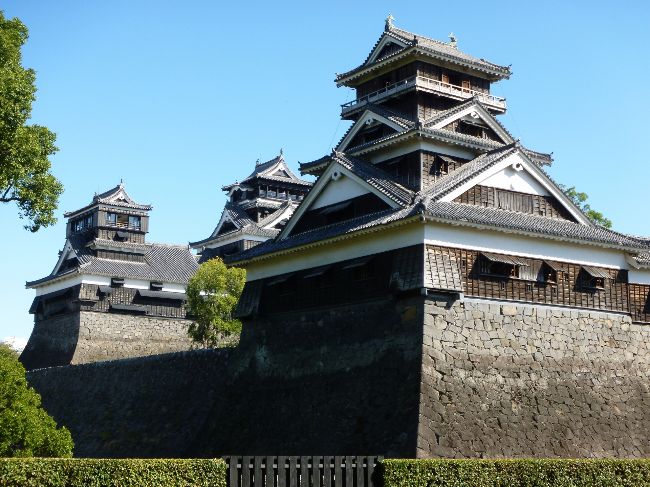
This confection is inspired by the Musha-gaeshi stone walls of Kumamoto Castle, one of Japan’s three great castles, designed to prevent enemy intrusion. Sadly, the walls were damaged in the 2016 Kumamoto earthquake.
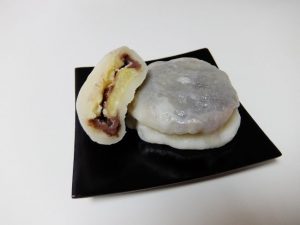
The name sounds formidable, but the flavor is delicate and refined. Its pastry contains abundant fresh butter and is shaped by hand into 100 layers, creating a texture that is both crisp and moist.
The filling is made from peeled azuki beans, producing a beautiful pale purple paste with elegant sweetness. It pairs superbly with the buttery pastry.
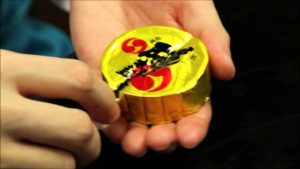
Kumamon appears on the box wrapping, and each sweet costs about ¥150, making it suitable for distributing at work or around the neighborhood.
An assortment with Homare no Jindaiko is also available and recommended for anyone who wants to try both.
This is a confection from Okashi no Kobai and, alongside Jindaiko, one of Kumamoto’s definitive celebrated sweets.
While Jindaiko is a standard Japanese confection, Musha-gaeshi has a subtle Western element: peeled-bean paste enclosed in crisp, butter-rich pastry. Its name naturally comes from Kumamoto Castle’s famously impregnable Musha-gaeshi walls. Kobai is widely loved in Kumamoto, and it is amusing that residents divide into Jindaiko and Musha-gaeshi camps.
Who Is Musha-gaeshi Recommended For?
Around me, older people tend to prefer Jindaiko, while younger people favor Musha-gaeshi.
Perhaps because the pastry contains so much butter, it pairs surprisingly well with coffee. Its sweetness is not overpowering, so it suits a wide audience. If uncertain, choose the gift box containing both it and Jindaiko.

Musha-gaeshi Product Info, Expiration Date, Manufacturer
| Product Name | Musha-gaeshi |
|---|---|
| Manufacturer / Seller | Okashi no Kobai |
| Address | Kumamoto Prefecture |
| Expiration Date | - |
| Place of Purchase | Souvenir shops in Kumamoto |
| Price | About ¥150 each |