
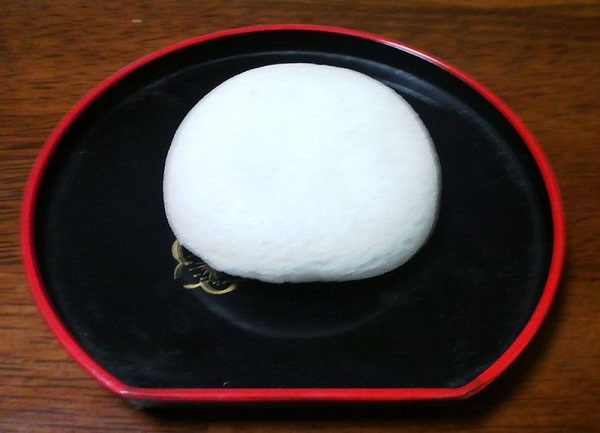
What are Karukan Manju and Kasutadon?
Kagoshima offers shochu, tea, pickles, satsuma-age, bonito flakes, black pork, and countless other specialties. When I decide to buy sweets, however, I confidently choose Satsuma Jokiya’s Karukan Manju and Kasutadon.
Karukan Manju is a palm-size white wagashi made with karukan rice flour and yam, with sweet bean paste inside. Kasutadon is a Western-style confection of soft, egg-rich sponge cake filled with custard cream. Both are individually wrapped and satisfying with tea; Kasutadon also pairs well with coffee. Jokiya also makes unfilled Moze Karukan and long, white loaves that can be sliced. The gentle sweetness is delicious even without bean paste and suits people who dislike anko. I once heard that a long white karukan was used in Kagoshima engagement ceremonies to symbolize entering a new family with a pure heart.
A mixed box is a safe gift. Karukan’s distinctive mouthfeel divides opinion slightly, whereas Kasutadon’s soft cake and custard appeal across generations. The original article noted a shelf life of about one week. Jokiya has many shops around Kagoshima, including Kagoshima-Chuo Station. Outside Kagoshima it becomes harder to find, which strengthens its value as a regional gift. When I sent it to a supervisor in Tokyo, the fact that it was not readily available there was especially appreciated.
Many makers produce Kagoshima’s karukan
Karukan is a Kagoshima specialty and respected makers use carefully selected ingredients. Some pieces approach 200 yen, while the article praised Satsuma Jokiya’s value at 119 yen at the time. I do not think the price difference always equals a difference in flavor. Other makers have introduced smooth, elegant “nama karukan” in several colorful flavors, but Kasutadon is uniquely associated with Jokiya, so I return there.
The company’s white-and-navy wrapping is simple and refined. Beyond these two standards, it sells Harukoma, a yokan-like sweet; Doradon dorayaki; baked doughnuts; and seasonal jelly and mizu-yokan. Assortments can be tailored to age, workplace, relatives, visits, celebrations, thanks, and many other situations. Still, Karukan Manju plus Kasutadon remains the definitive combination for me.
Akashiya’s elegant Karukan
Akashiya’s Karukan is another excellent Kagoshima confection. It uses rice flour and abundant jinenjo mountain yam, steamed with air into an intensely white, soft, resilient cake traditionally formed like a bar of yokan. Its appearance is plain, but the flavor has unexpected depth.
History of Karukan
Karukan dates back roughly three centuries to the Edo period. It was served for the fiftieth-birthday celebration of a Satsuma lord and appeared at weddings, New Year ceremonies, and important formal banquets in daimyo households. Its quiet white appearance carried dignity appropriate to celebrations.
Ingredients and traditional appeal
Jinenjo contains protein, vitamins, minerals, amylase, arginine, and other nutrients. The original article celebrates karukan as more nourishing than its pure white appearance suggests. Today it is appreciated primarily as confectionery, but the yam remains essential to its distinctive springy-yet-clean texture.
Shapes and varieties for different gifts
There are two main forms: the rectangular, unfilled original and the familiar round manju containing bean paste. Rectangular sizes have been sold as No. 2, 3, 4, and 8, with individually wrapped pieces also available. Manju boxes have included 8, 10, 12, 15, 20, or 24 pieces. Limited collaborations have added Annou sweet potato, black soybean, cream cheese, and almond combinations.
Why Karukan makes a thoughtful souvenir
Karukan is both refined and modest. An excessively expensive gift can feel burdensome, while a flashy cheap one may feel unsuitable. Pure white karukan looks restrained but tastes rich and elegant. Explaining its history and ingredients gives hosts and guests a natural conversation while sharing it.
Personal tasting notes
My father is from Kagoshima, so I have eaten karukan since childhood. The texture sits between manju and mochi: elastic but easy to bite through. A clean, natural sweetness spreads without distracting flavors. In the filled version, mild anko and azuki aroma appear gently without covering the karukan itself. My ideal pairing is warm green tea with unfilled karukan. The tea follows the lingering sweetness and carries its fragrance through the nose.
People far from Kagoshima can find related products online. Those visiting locally can explore many stores in Kagoshima City. Current shop and product information should be confirmed before travel.
Review of Kasutadon
A local reviewer gives Kasutadon five stars and says it is the souvenir they always choose. The soft sponge contains flowing custard made with carefully selected Kagoshima eggs. The custard is restrained in sweetness yet rich, and the ratio of cream to sponge feels just right. It is affordable, broadly liked, and can also be frozen; eaten partly frozen, it develops a sherbet-like texture. The short shelf life reflects its soft cake character, so follow the current storage instructions.
More reasons the two-product assortment works
Kasutadon and Karukan complement each other rather than compete. One offers egg sponge and custard familiar to lovers of Western pastry; the other offers rice, yam, and bean paste rooted in Kagoshima wagashi. Opening one box therefore creates a small tasting of two confectionery traditions. Individually wrapped pieces are easy to distribute at an office, among relatives, or during a visit. The understated packaging also feels suitable for a formal recipient.
Kagoshima Airport availability described in the original article favored Kasutadon, while Karukan sometimes required another shop. Kagoshima-Chuo Station and the company’s many prefectural branches were dependable places to look. At department-store regional fairs elsewhere in Japan, fans reportedly lined up because they had been waiting for the chance to buy these products.
Serving and choosing the box
Serve Karukan with hot green tea to emphasize its natural yam fragrance and clean sweetness. Kasutadon works with tea or coffee and can be lightly chilled. If the recipient dislikes bean paste, include unfilled Karukan or a larger share of Kasutadon. For a traditional-food enthusiast, the rectangular white Karukan offers the clearest connection to history and ceremony. For children or a mixed-age workplace, Kasutadon is usually the easiest introduction.
Shelf life is not especially long, so plan the timing of the gift. Historical prices and store selections in the article should not be treated as current guarantees; check the package, official shop information, and storage directions. That small amount of planning is rewarded by a souvenir that tastes far fresher and more distinctive than many long-life sweets.

Karukan Manju Product Info, Expiration Date, Manufacturer
| Product Name | Karukan Manju |
|---|---|
| Manufacturer / Seller | 合名会社 明石屋菓子店 |
| Address | 鹿児島市金生町4-16 |
| Expiration Date | - |
| Place of Purchase | 鹿児島市内に14店舗 |
| Price | 1,512円(税込)8個入り |