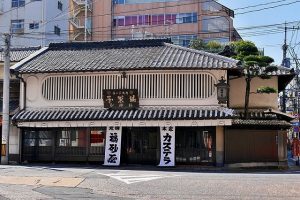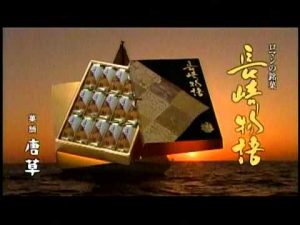

Nagasaki Kakuni Manju is rapidly joining castella and champon among the city’s best-known specialties.
A Fast-Growing Nagasaki Favorite
Its history as a souvenir is relatively short, but it now appears frequently at regional product fairs around Japan and national recognition continues to grow. Stores have expanded around Glover Garden, Hamanomachi, Nagasaki Station, and Nagasaki Airport, making it easy to buy during sightseeing or shopping.
Specialty shops often offer samples, so visitors can taste before purchasing. Staff call out energetically yet remain polite and welcoming. Their confidence conveys both pride in the product and a sincere wish for more people to try it.
Kakuni traces its roots to Dongpo pork, a dish served in Nagasaki’s shippoku cuisine. Shippoku is a distinctive banquet style in which diners share large platters around a round table. Combining Japanese, Chinese, and Western influences, it represents Nagasaki’s international history, so kakuni manju is a natural local souvenir.
The filling uses pork belly from pigs raised in Chile’s Andes region, slowly seasoned in broth made with Nagasaki soy sauce. The tender meat is folded inside a pillowy white bun.
It looks simple and slightly smaller than many mail-order steamed buns, but the soft, springy dough and rich pork make one piece very satisfying. It works as a snack, a light meal, or an accompaniment to beer. One 75-gram bun was listed at about 249 calories, modest for something so substantial.
Packages and Gift Options
The product comes in a wide range of formats. Premium red gift boxes were offered in sets such as fifteen for ¥6,000, twelve for ¥4,800, and ten for ¥4,000. They are appropriate for a respected supervisor, teacher, business partner, or other formal recipient.
Standard boxes offer more casual choices, including ten, eight, five, three, and two pieces. A two-piece box is ideal for someone living alone: it provides two enjoyable servings without overloading the freezer. For personal use, simple bags and individually sold buns are also available.
Frozen storage is another advantage. Shops provide ice packs for hand carrying, and chilled shipping is available for distant destinations. Campaign details and shipping prices change, so confirm current conditions at an Iwasaki Honpo directly operated shop.
Preparation matters. Heating a bun directly from frozen can harden the delicate dough. First thaw it naturally for one or two hours at room temperature, or for three to four hours in a refrigerator during warm weather.
After thawing, remove the wrapping and steam for ten to fifteen minutes. A steamer gives the best fluffy texture, though a pot can substitute. Avoid excessive water, which can make the bun wet and heavy.
If steaming feels inconvenient, a microwave works after thawing. Pierce the wrapping around the pork in several places with a toothpick or skewer, then heat one bun at a time. A guideline is about forty seconds at 600 watts, though appliances vary.
Iwasaki Honpo’s Nagasaki Kakuni Manju brings the tradition of shippoku cuisine into an easy home snack. The combination of snow-white, fluffy dough and meltingly tender, sweet-savory pork is deeply satisfying. It can be purchased during a Nagasaki trip or ordered through the company’s website, making it possible to enjoy a taste of the city anywhere.
Nagasaki Kakuni Manju Product Info, Expiration Date, Manufacturer
| Product Name | Nagasaki Kakuni Manju |
|---|---|
| Manufacturer / Seller | 岩崎本舗本店 |
| Address | 長崎市大手1丁目10-12 |
| Expiration Date | - |
| Place of Purchase | グラバー園や浜町、長崎駅、長崎空港など |
| Price | 2個入り化粧箱入り900円 |